
Staying focused during the workday sounds simple, but real life makes it hard. Messages pop up, deadlines pile up, energy drops, and small distractions quietly steal hours. Many people start the day with good intentions and still end it feeling busy but not truly accomplished. That is why learning how to stay productive at work matters so much. Productivity is not about rushing through tasks or filling every minute. It is about using your time well, protecting your energy, and getting meaningful work done without burning yourself out.
At pixmerce.com, we believe productivity should feel realistic, not forced. You do not need a perfect morning routine, a new app every week, or endless motivation to perform well. What you need is a better system. Small changes in the way you plan, focus, and recover can make a huge difference in your daily output. When you understand how to stay productive at work, you stop depending on mood and start depending on habits that support your goals.
This guide breaks productivity into simple, practical steps you can use whether you work from home, in an office, or in a hybrid role. You will learn how to manage your time, avoid distractions, create a better workspace, keep your mind clear, and build routines that last. If you have been wondering how to stay productive at work without feeling exhausted by the end of the day, this blog will give you a complete and honest roadmap.

Why Productivity at Work Matters More Than Ever
Productivity is often misunderstood. Some people think it means working faster. Others think it means doing more tasks in less time. In reality, productivity means making progress on the right things. It is not about looking busy. It is about moving important work forward in a steady, healthy way.
When you improve productivity, everything else improves with it. Your stress levels drop because you are not constantly behind. Your confidence grows because you see real results. Your team trusts you more because you become reliable. Your work quality gets better because you are giving focused attention to what matters. Most importantly, you protect your mental energy instead of wasting it on chaos.
Many employees, freelancers, and business owners struggle because they do not have a clear system for their day. They react to everything instead of planning ahead. They check emails too often, multitask too much, and underestimate how tiring constant switching can be. Once you understand how to stay productive at work, you begin to work with intention instead of pressure.
Start With Clear Priorities, Not a Random To-Do List
A long to-do list can make you feel organized, but it can also create confusion. If everything looks important, nothing truly is. One of the best ways to improve productivity is to separate urgent tasks from meaningful tasks. Some work needs immediate attention. Other work creates long-term value. You need both, but they should not be mixed without purpose.
Start each day by identifying your top three priorities. These should be the tasks that matter most if the day becomes messy. Keep them visible. Write them in a notebook, a planning tool, or on a simple sticky note. This helps you return to what matters when distractions begin to pull you away.
A clear plan removes decision fatigue. Instead of wondering what to do next every hour, you already know your direction. That saves mental energy and keeps your day moving. People who know how to stay productive at work often rely on this kind of clarity. They do not leave important work to chance.
Ask Yourself Better Questions in the Morning
Before starting work, ask:
What must be done today
What can wait
What task requires the highest focus
What task will make the biggest impact
What usually distracts me from these priorities
These questions make your planning more realistic. They also help you avoid filling your day with low-value activity.
Use Time Blocks to Give Your Day a Shape
One reason people lose momentum at work is that their day has no structure. They move from task to task without boundaries, and before they know it, the day is gone. Time blocking is a simple method that helps. Instead of keeping a loose list, assign specific parts of the day to specific categories of work.
For example, you might use the first two hours for deep work, then set aside time for meetings, email responses, admin tasks, and follow-up work later. This creates rhythm and reduces the pressure of constant switching. Your brain works better when it knows what kind of effort is expected in a given period.
Time blocking is especially useful for people who feel overwhelmed by too many demands. It allows you to protect your highest-energy hours and spend them on your hardest tasks. Once you practice this method regularly, you will better understand how to stay productive at work without feeling scattered all day long.
A Simple Daily Time Block Example
8:30 AM to 10:30 AM
Focused work on your most important project
10:30 AM to 11:00 AM
Emails and quick replies
11:00 AM to 12:30 PM
Meetings or collaborative tasks
1:30 PM to 3:00 PM
Secondary tasks and follow-ups
3:00 PM to 4:00 PM
Admin work, planning, and review
This is not about creating a strict prison for your day. It is about giving your time direction.
Stop Multitasking Because It Lowers Quality
Multitasking feels productive, but most of the time it is just fast switching. Every time you move from one task to another, your brain needs time to re-focus. That transition may seem small, but it adds up throughout the day. The result is slower work, more mistakes, and a constant feeling of mental fatigue.

When you focus on one task at a time, your mind becomes calmer and your work becomes sharper. A single focused hour often produces more than three distracted hours. This is one of the biggest truths behind how to stay productive at work. Productivity grows when attention stays in one place long enough to create real progress.
Try closing tabs you do not need. Put your phone away during focused work. Finish one meaningful step before moving to the next. This does not mean your day will be perfect. It just means you are giving your best effort to one thing at a time instead of dividing your attention into weak fragments.
Create a Workspace That Supports Focus
Your environment affects your behavior more than you think. A noisy room, a cluttered desk, or poor lighting can slowly reduce your concentration. You may not notice it right away, but over hours and days, it has an impact. If your workspace constantly interrupts your attention, staying productive becomes harder than it needs to be.
Your workspace does not need to look fancy. It needs to be functional. Keep the tools you use most within reach. Remove visual clutter that pulls your attention. Make sure your chair, screen, and desk setup feel comfortable for long periods. If possible, use natural light or soft lighting that does not strain your eyes.
Small changes can make a big difference. A clean desk signals a fresh start. A quiet corner helps you think more clearly. A bottle of water nearby keeps you from unnecessary breaks. People learning how to stay productive at work often ignore the workspace factor, but it matters a lot more than they expect.
Helpful Workspace Improvements
Keep only essential items on your desk
Use headphones if noise is a problem
Silence unnecessary notifications
Make your chair and screen height comfortable
Keep water and notes nearby
Avoid working in the same place you relax if you work from home
Your environment should make focus easier, not harder.
Manage Energy, Not Just Time
Many productivity tips talk only about time. Time matters, but energy matters just as much. You can have six free hours and still get little done if your energy is low. On the other hand, one focused hour with strong energy can move a project forward quickly.
Pay attention to when you feel most alert. Some people do their best thinking early in the morning. Others hit their peak later in the day. Notice your patterns and schedule your most important work during your strongest hours. Save lighter tasks for the periods when your energy drops.
This is one of the smartest lessons in how to stay productive at work. If you match the task to your energy level, you stop fighting yourself. Hard thinking should happen when your mind is fresh. Repetitive admin work can happen when focus is lower.
Protect the Basics That Affect Energy
Sleep is not optional
Water matters more than most people think
Heavy meals can make you sluggish
Short movement breaks help reset your focus
Mental overload reduces productivity faster than physical tiredness
Your body and mind are not separate from your work. They shape the quality of every hour.
Learn to Handle Distractions Before They Handle You
Distractions are one of the biggest enemies of productivity. They come from everywhere. Emails, team chats, social media, background noise, random thoughts, and even boredom can break your concentration. The problem is not just the interruption itself. The real problem is how long it takes to get fully back into the task.
You do not need to remove every distraction forever. You just need to reduce the unnecessary ones during key work periods. Turn off notifications that are not urgent. Set specific times to check messages instead of reacting to each one. Let coworkers know when you need uninterrupted time. Put your phone out of reach if it pulls your attention too often.
Many people search for how to stay productive at work but keep allowing avoidable interruptions to control their day. Productivity improves when you protect your attention like something valuable, because it is valuable.
The Best Way to Reduce Digital Distractions
Use focus mode on your phone
Close unused browser tabs
Check email at set times
Mute group chats during deep work
Keep social media off your work device if possible
Every interruption has a hidden cost. Protecting your attention protects your output.
Break Big Tasks Into Smaller Actions
Large projects often create resistance. They feel overwhelming, so people delay starting. Then guilt builds. Then the task feels even heavier. One of the easiest ways to fix this is to break the project into smaller, visible actions.
Instead of writing “finish report,” write smaller steps such as outline report, collect data, write introduction, revise section one, and proofread final draft. Small actions feel easier to start, and starting is often the hardest part.
Momentum builds from movement. Once you begin, the task usually becomes less intimidating. This is a key part of how to stay productive at work because productivity is not just about discipline. It is also about reducing friction. Smaller steps create clarity, and clarity leads to action.
Use the Two-Minute Rule for Small Tasks
Not every task needs a time block. Some things are so quick that delaying them creates more mental clutter than simply doing them. The two-minute rule is simple. If a task takes about two minutes or less, do it right away.

This works well for replying to a quick message, saving a file properly, adding an event to your calendar, or sending a short confirmation. Small unfinished tasks pile up fast and create noise in your mind. Clearing them quickly frees space for larger work.
Still, be careful not to spend the whole day doing tiny tasks just because they are easier than important work. Use this rule wisely. It supports productivity, but it should not become an escape route.
Build a Work Routine That Feels Repeatable
Good productivity is rarely the result of motivation alone. It usually comes from routines. A routine reduces mental chaos. You do not have to decide everything from scratch every day. Certain actions become automatic, which saves energy for real thinking.
Your routine does not need to be perfect. It just needs to be repeatable. Start your day in the same general way. Review priorities. Check your calendar. Begin with your most important task before diving into messages. Take breaks at roughly the same times. End your day with a short review.
When people truly learn how to stay productive at work, they stop relying on random bursts of effort. They build patterns that support consistency. A calm, repeatable routine often beats intense motivation that disappears after a few days.
A Strong Workday Routine Might Include
Planning before checking messages
Starting with high-value work
Taking one or two proper breaks
Reviewing progress before ending the day
Preparing tomorrow’s top tasks in advance
A routine creates stability, and stability helps your mind perform better.
Take Better Breaks Instead of Just More Breaks
Breaks matter, but the type of break matters too. Scrolling through your phone for ten minutes may feel like rest, but it often keeps your mind overstimulated. A better break helps your brain recover. That might mean standing up, walking for a few minutes, stretching, drinking water, or simply sitting away from your screen.
The goal of a break is to return to work with more focus, not less. If your breaks leave you more distracted than before, they are not helping much. Short, intentional breaks improve concentration and reduce fatigue across the day.
This is another overlooked piece of how to stay productive at work. People often think they need to work non-stop to get more done, but the opposite is often true. Smart pauses protect your focus and help you maintain better performance.
Say No to Work That Does Not Fit Your Priorities
A lot of productivity problems come from saying yes too often. Every extra request, meeting, favor, and task takes time and attention. Some requests matter. Others only create noise. If you constantly accept low-value work, your important work suffers.
Saying no does not have to be rude. It can be respectful and clear. You can say that your schedule is full, that you can help later, or that another approach may be better. You can also ask for priorities when too many things arrive at once.
Knowing how to stay productive at work includes learning how to protect your workload. You cannot do everything well at the same time. Boundaries are part of productivity, not the opposite of it.
Polite Ways to Protect Your Time
I can help with this tomorrow
Which task should take priority
I am at capacity right now
Can we simplify this request
Would a shorter version work for now
Protecting your focus is not selfish. It helps you deliver better work.
Keep Meetings From Taking Over Your Day
Meetings can be useful, but too many meetings ruin focus. They break the day into small pieces and leave little room for deep work. Some meetings are necessary for alignment and teamwork. Others could be an email, a shared document, or a quick message.
Before accepting or scheduling a meeting, ask what the goal is. Is there a decision to make, a problem to solve, or something that truly needs live discussion? If not, another format may work better. If a meeting is needed, keep it clear and purposeful. Use an agenda. End with action points. Avoid letting meetings drift without direction.
People who understand how to stay productive at work know that calendar overload is a real problem. Protecting time for focused work is just as important as being available for collaboration.
Track What Actually Wastes Your Time
Sometimes people think they have a motivation problem when they really have an awareness problem. They do not know where their time goes. Tracking your day for a few days can be surprisingly useful. Write down what you spend time on and how long each activity takes.
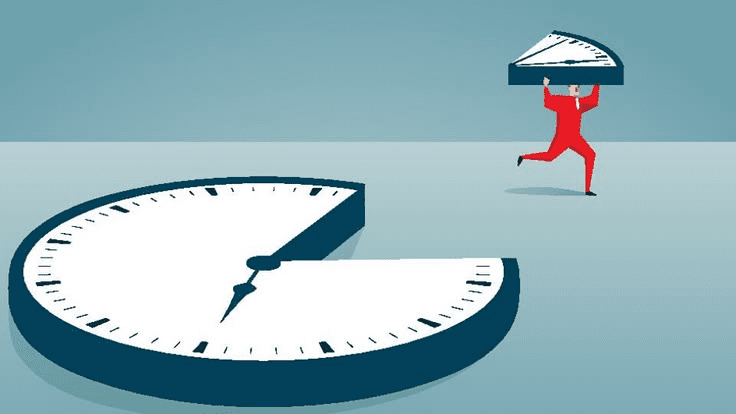
You may notice that email takes twice as long as expected. You may see that context switching is draining your energy. You may discover that interruptions are more frequent than you thought. Once you can see the pattern, you can improve it.
This step is powerful because it replaces vague frustration with real information. That makes solutions easier to build.
Use Simple Tools, Not Too Many Tools
Productivity tools can help, but too many tools create another layer of distraction. You do not need a complicated system with five apps for planning, tracking, reminders, communication, and notes unless that truly helps your workflow.
Choose a few basic tools that support your work. A calendar for time blocks. A note app or notebook for priorities. A task manager if your role involves many moving parts. Keep it simple enough that you actually use it.
At pixmerce.com, we often see people chase perfect systems instead of building useful habits. Tools can support your progress, but they cannot replace discipline, clarity, and follow-through.
Keep Your Mind Clear With End-of-Day Planning
One of the smartest habits for better productivity is ending your day with a short review. Look at what you finished, what still needs attention, and what the first task tomorrow should be. This takes only a few minutes, but it reduces morning confusion and helps your brain let go of unfinished work overnight.
A strong end-of-day routine also gives you closure. Without it, work tends to feel endless. Your mind keeps carrying open loops even after the workday ends. That mental clutter affects rest and makes the next morning harder.
If you want to understand how to stay productive at work, this habit deserves more attention than it usually gets. Planning tomorrow before today ends gives you a cleaner start and a calmer mind.
A Useful End-of-Day Checklist
What did I complete today
What needs follow-up
What is tomorrow’s top priority
What can I remove or delay
What lesson from today can improve tomorrow
Simple reflection leads to smarter action.
Avoid Perfectionism Because It Slows Progress
Perfectionism often hides behind the desire to do good work. But in many cases, it delays action, increases stress, and keeps people stuck. You spend too long on small details, hesitate to share ideas, or postpone finishing because the result does not feel perfect.
Good work matters. Care matters. But done and useful often beats perfect and late. The goal is not to lower standards. The goal is to know when a task has reached the level it needs. Not every email needs ten minutes of editing. Not every document needs endless revisions.
A big part of how to stay productive at work is learning the difference between quality and overworking. Productivity improves when you give each task the right level of effort, not maximum effort every single time.
Protect Your Health if You Want Long-Term Productivity
You cannot separate sustainable productivity from well-being. A person who is always exhausted, tense, or mentally overloaded may still push through for a while, but the cost becomes visible later. Fatigue affects memory, mood, speed, and decision-making.
This is why productive people pay attention to the basics. They rest properly. They eat regularly. They move their body. They respect their limits. They do not treat burnout like an achievement. Work matters, but your health is the system behind your work.
At pixmerce.com, we see productivity as something that should support a better work life, not destroy it. Learning how to stay productive at work should make you more balanced, not more drained.
How Leaders Can Help Teams Stay Productive
Productivity is not just an individual issue. Team culture matters too. A workplace that celebrates constant urgency, endless availability, and overloaded calendars makes focus difficult for everyone. Leaders play a major role in creating productive environments.
Clear expectations help employees prioritize. Reasonable deadlines reduce panic. Fewer unnecessary meetings protect deep work. Trust allows people to manage their time better. Recognition improves morale, and morale affects performance.
If you manage a team, ask whether your systems support real work or just create pressure. Productivity grows in environments where people have clarity, respect, and enough space to think.
Productivity Tips for Remote Workers
Remote work offers freedom, but it also creates new challenges. Home distractions, loose boundaries, and isolation can affect consistency. If you work remotely, structure becomes even more important.
Start your day at a regular time. Get dressed in a way that signals work mode. Use a dedicated workspace if possible. Set clear start and stop times. Communicate your availability with your team. Do not let your workday quietly stretch into the evening every day.
Remote workers especially benefit from routines, time blocks, and visible priorities. Without physical office cues, your own habits become the main structure holding the day together.
Productivity Tips for Office Workers
Office workers deal with a different kind of challenge. There may be more interruptions, more casual conversations, more meetings, and less control over noise. In this environment, clear communication matters a lot.
Let coworkers know when you need focused time. Use headphones if appropriate. Batch similar tasks together so you do not lose momentum. Take a short reset break if the office environment starts feeling mentally crowded.
Office productivity improves when you create small boundaries that protect concentration without hurting collaboration.

What to Do When You Feel Completely Unmotivated
Not every day feels strong. Some days your energy is low, your mood is flat, and your focus feels weak. This happens to everyone. On those days, do not wait for perfect motivation. Lower the barrier to starting.
Pick one small task. Work for ten minutes. Remove one distraction. Write one paragraph. Clear one email. Often, action creates momentum better than waiting does. Progress can begin small and still become meaningful.
Understanding how to stay productive at work does not mean feeling inspired all the time. It means knowing how to keep moving even when the day feels heavy.
Common Productivity Mistakes to Avoid
Many people lose productivity through habits they barely notice. These habits feel normal, but they slowly weaken output across the week.
Here are some common mistakes:
Starting the day with email instead of priorities
Saying yes to everything
Multitasking through important work
Working without breaks
Keeping notifications on all day
Letting meetings fill every open hour
Skipping planning because you feel too busy
Trying to do deep work when your energy is already low
Awareness is the first step. Once you see these patterns clearly, you can start replacing them with better ones.
A Realistic Weekly Productivity Reset
A weekly reset can help you stay organized without overcomplicating life. Set aside thirty minutes once a week to review your progress and prepare for the next few days.
During your reset, look at unfinished tasks, upcoming deadlines, important meetings, and projects that need deeper focus. Remove clutter from your task list. Decide what matters most next week. This helps you enter Monday with direction instead of confusion.
This habit is simple, but it gives your work a larger structure. Daily planning is good. Weekly planning gives that daily work stronger context.
Final Thoughts on Building a Productive Work Life
Learning how to stay productive at work is not about becoming a machine. It is about creating a work style that is focused, realistic, and sustainable. The most productive people are not always the busiest. They are usually the clearest. They know what matters, they protect their attention, and they use routines that support real progress.

If you want better results, start small. Choose one habit from this guide and practice it consistently. Maybe that means planning your top three priorities each morning. Maybe it means muting notifications during deep work. Maybe it means ending your day with a five-minute review. Small actions repeated often create strong outcomes over time.
At pixmerce.com, we believe lasting productivity comes from better systems, not constant pressure. Once you understand how to stay productive at work, you begin to work with more clarity, less stress, and greater confidence. That is the kind of productivity worth building.
FAQ: How to Stay Productive at Work
What is the best way to stay productive at work?
The best way is to combine clear priorities, focused time blocks, fewer distractions, and regular breaks. Productivity improves when your day has structure and your attention stays on what matters most.
Why do I feel busy but not productive?
This usually happens when your time is spent on low-value tasks, interruptions, and too much switching between activities. You may be active all day but not making progress on your real priorities.
How can I stay productive at work when I feel tired?
Match easier tasks to low-energy periods and save your most important work for the time of day when your focus is strongest. Also check your sleep, hydration, food, and break habits.
Does multitasking help productivity?
In most cases, no. Multitasking lowers focus and increases mistakes. Single-tasking is usually faster and produces better results.
How often should I take breaks?
Short breaks every one to two hours can help maintain concentration. The right pattern depends on your work, but intentional breaks usually improve performance.