
Hello, fellow seekers of knowledge! It’s nice to see you again at Science Unlocked, your regular monthly plunge into scientific discoveries which are wild, wonderful, and even mind-bending. As we slide through October 2025, the universe is treating us with a great variety of topics: mysteries of the old Earth, the latest health technology, and also a supermoon that has the astronomers excited. If you are just a stargazer, a biohacker or simply curious about the functioning of the world around you, we have the latest news that will inspire your inner Einstein. Let’s take off!

1. Ancient Secrets of Easter Island: How Did They Move Those Massive Moai?
The giant stone statues of Rapa Nui, more commonly known as Easter Island, have been a mystery to historians and archaeologists for centuries. A remote island society managed to transport these. The largest of them, weighing up to 82 tons, across a rough landscape with no wheels or animals? A revolutionary research published on October 11 has solved this puzzle, and the solution is simpler (and more ingenious) than you think.
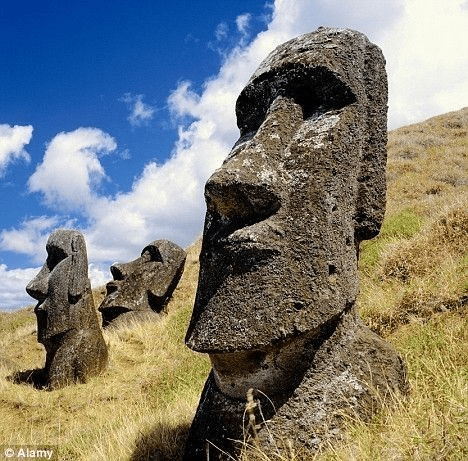
A team of researchers from the University of Liverpool and their colleagues has studied erosion patterns, made experimental recreations, and listened to Polynesian oral histories to arrive at the conclusion that the moai were “walked” upright with ropes and workers. Just imagine the scenario: 15-18 people shaking the statues side-to-side in a synchronized manner, causing them to move little by little like in a giant tug-of-war game with humans. This technique explains not only the logistics but also the islanders’ respect for the statues as the guardians of their ancestors.
Why it matters: This isn’t just history. It’s a lesson in sustainable engineering. In a time of climate-driven resource scarcity, the Rapa Nui’s low-tech creativity shows that human innovation can outperform brute force. Next time you’re stuck in traffic, think of moving a moai!
2. Ketogenic Diets: A Brain-Boosting Shield Against Prenatal Stress?
Parents-to-be, listen up: What if a simple change to your diet could shield your baby’s developing brain from the stress of modern life? A study published on October 12 in Nature Neuroscience shows that young rats exposed to prenatal stress gained remarkable resilience from a high-fat, low-carb ketogenic diet. The pups not only avoided anxiety-like behaviors but also showed better social skills and neural development.

Led by neuroscientists at the University of California, the research emphasizes how ketones—the diet’s key component—energize brain cells in ways glucose cannot, possibly protecting against inflammation and hormonal disruptions. Human trials are in progress, but early signs look promising for at-risk pregnancies.
Pro tip: If full keto feels daunting, try omega-3s and intermittent fasting. Research suggests small changes can lead to big benefits for future generations. What’s your favorite stress relief? Share it in the comments!
3. Earth’s Magnetic Mystery Solved: A Liquid Core Dynamo?
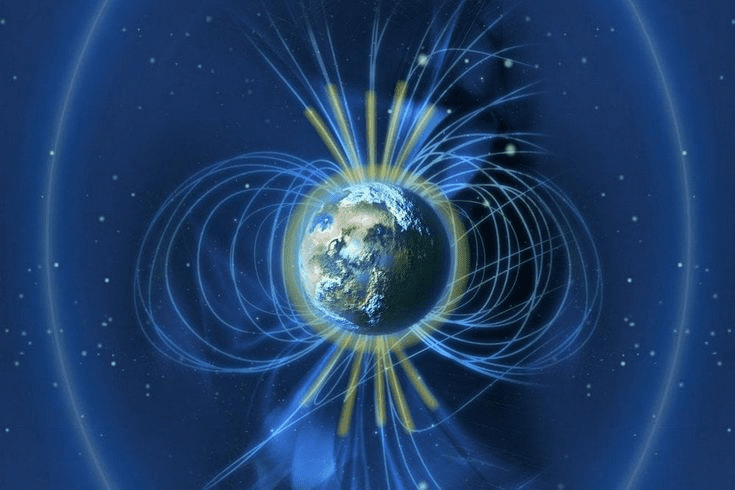
Ever wonder what keeps compass needles pointing north? It’s Earth’s magnetic field. A new model from geophysicists at ETH Zurich, released on October 12, finally clarifies how it began billions of years ago, even when our planet’s core was a mix of molten iron.
By removing viscosity (the sticky resistance to flow) from their simulations, the team found a self-sustaining “dynamo” effect: swirling currents creating electricity, which then generates magnetism. This reflects today’s field but shows it didn’t require a solid inner core to start spinning.
Cool factor: This could change textbooks on how planets form and help in the search for habitable exoplanets. Imagine a liquid-core world with a shield against cosmic radiation. Space agencies like NASA are already considering its implications for Mars colonization. Magnetism just got a whole lot more interesting!
4. Lunar Landmarks: A Massive Asteroid Crash Explains the Moon’s Lopsided South Pole
The Moon’s south pole is an unusual geological feature, filled with craters, basins, and uneven terrain. This is the result of a huge asteroid impact over 4 billion years ago, as modeled by planetary scientists on October 12. The collision, equivalent to thousands of nuclear bombs, carved out a vast magma ocean and changed the lunar landscape.
Using data from NASA’s Lunar Reconnaissance Orbiter and supercomputer simulations, the study illustrates how the debris plume from this “South Pole-Aitken” event covered the far side, creating the Moon’s striking differences. Bonus: Apollo 17 samples from 1972 were reanalyzed this month, revealing unusual sulfur levels that suggest volcanic activity.
Why get excited? This supports NASA’s Artemis program, which aims to explore the south pole for water ice (think lunar bases!). And with the James Webb Space Telescope spotting a new tiny moon of Uranus (S/2025 U 1) on October 12, our solar system feels smaller—and more discoverable—than ever.
5. Sky-High Spectacle: October’s Supermoon and Meteor Magic
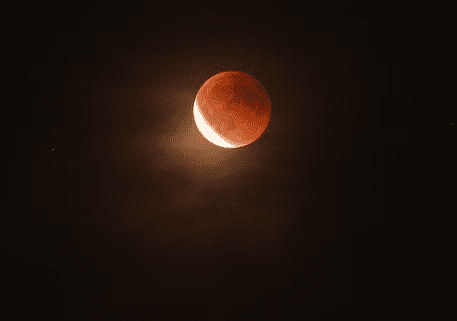
October isn’t just for pumpkins; it’s the perfect time for celestial displays! NASA’s What’s Up guide for October 2025 highlights the supermoon on October 6—a full Hunter’s Moon at its closest point, appearing 14% bigger and 30% brighter than usual. Coinciding with International Observe the Moon Night on October 4, it’s a great reason to grab binoculars and think about humanity’s next big step.
Don’t miss the Draconid meteor shower (peaking on October 8) for stunning dragon-tailed streaks, or the Orionids (October 21), remnants of Halley’s Comet moving at 41 miles per second. If the skies are clear, head to a dark spot and let the stars tell their stories.
Wrapping Up: The Pulse of Progress
From Easter Island’s rope techniques to the Moon’s ancient scars, October 2025 shows that science isn’t just about numbers. It’s about revealing stories that link us to our past, present, and potential futures. China’s carbon emissions fell for the first time in decades this year, a quiet victory for climate advocates, while quantum tech prepares for its “international year” declared by the UN.
What breakthrough amazed you this month? Reply, share on social media, or subscribe for more updates. Until next time, keep questioning and exploring—the universe is waiting.